

Choosing the right foundation is one of the most important decisions in any building project. The foundation transfers the entire weight of a structure safely into the ground, and the correct choice depends on the soil conditions, the size and weight of the building, and the site itself. In this guide we explain the main types of house foundations used across the UK, when each one is suitable, and what homeowners and self-builders should know before work begins.
What Is a Foundation and Why Does It Matter?
A foundation is the part of a structure that sits below ground level and spreads the load of the building onto the soil or rock beneath it. A well-designed foundation prevents uneven settlement, resists movement caused by changing ground conditions, and keeps the building stable for decades. Get it wrong, and you risk cracking walls, sticking doors and costly remedial work later on. This is why a thorough site and soil investigation always comes first.
The Main Types of Foundations
Foundations generally fall into two broad families: shallow foundations, which sit relatively close to the surface, and deep foundations, which reach down to firmer ground further below. The right option depends on the load of the building and the bearing capacity of the soil.
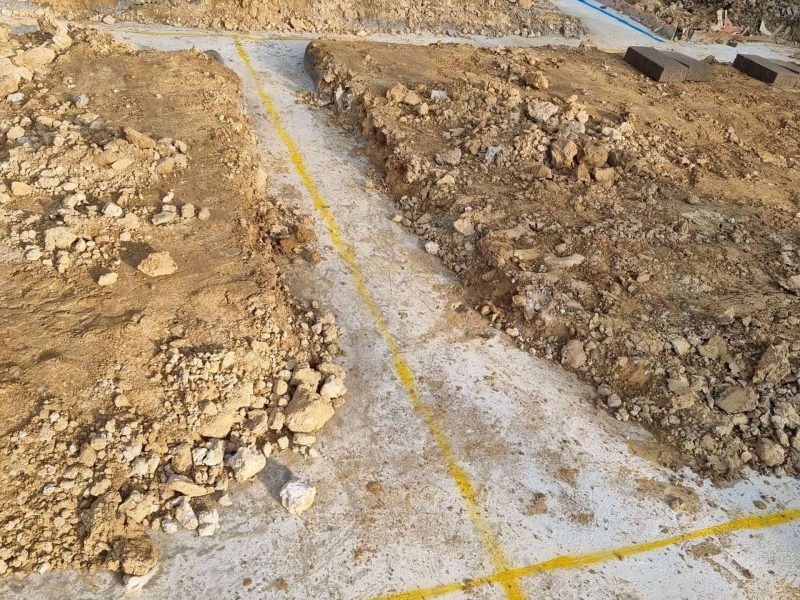
1. Strip Foundations
Strip foundations are the most common choice for traditional houses and extensions. A continuous strip of concrete is poured beneath load-bearing walls, spreading the weight evenly along its length. They work well in stable, firm soils where loads are modest, and they are relatively economical to construct. Wider or deeper strips may be needed where the ground is softer or the walls carry heavier loads.
2. Trench Fill Foundations
A variation on the strip foundation, trench fill involves digging a narrow trench and filling almost the entire depth with concrete. This reduces the amount of bricklaying below ground and speeds up the build, making it popular on sites where labour costs or time are a concern. It is particularly useful where deeper foundations are required, such as near trees with extensive root systems.
3. Raft Foundations
A raft foundation is a single thick slab of reinforced concrete that covers the whole footprint of the building, spreading the load across a large area. Rafts are ideal where soils are weak or variable, or where ground movement is a risk, because the slab moves as one unit rather than cracking unevenly. They are often used for lighter structures and on made-up or filled ground.
4. Pad Foundations
Pad foundations are isolated blocks of concrete that support individual point loads, such as columns or steel frames. Rather than running continuously, each pad carries a specific structural element. They are common in commercial and portal-frame buildings, and sometimes in domestic projects with concentrated loads.
5. Pile Foundations
When the ground near the surface cannot support the building, pile foundations carry the load deeper to a stronger layer of soil or rock. Piles are long columns driven or bored into the ground, often used on poor or unstable sites, near rivers, or for heavier structures. They are a deep foundation solution and require specialist plant and expertise.
How Is the Right Foundation Chosen?
The choice of foundation is never guesswork. It depends on the results of a soil survey, the proximity of trees and drains, the water table, the slope of the site, and the loads the building will impose. A structural engineer and your groundworks contractor will assess these factors together and design a foundation that meets Building Regulations and suits the specific conditions of your plot.
Foundations Done Properly with MLS Contractors
At MLS Contractors we have been laying foundations across Surrey, Sussex and the surrounding areas for many years, from single extensions to full residential developments. Our team handles the complete groundworks process, including site investigation, excavation, concreting and drainage, ensuring your project starts on solid ground. If you are planning a build and want expert advice on the best foundation for your site, If your project is an extension, our extension groundworks and brickwork page explains how footings, drainage and brick matching are handled. get in touch with our team for a no-obligation discussion.